Your Freesource — more than a resource for stronger staff and stronger students.
From all the team at YogaBugs may I extend a very warm welcome to our first edition of Education Matters which we hope is an online magazine that is both topical and courageous in its aims to raise awareness of pressures faced by UK schools and how they have managed those challenges both past and present. Our focal-point for issue 1 is mental health which has rapidly increased throughout the education sector further complicated by 74% of all Primary schools of UK facing less funding than 15 years ago (School Cuts).
As the Editor of Education Matters I want to encourage that “It’s okay not to be okay” and as a student in secondary school during the 1980’s I attempted suicide and experienced depression. Two years ago when I turned 50 I was finally diagnosed with autism and this had a huge affect on how I reflected on that troubled time I had as a student who back in the 1980’s had no SENCO teachers or more skilled interventions than we have today. As NHS England now report 549,000 people were waiting for an ADHD assessment by early 2025 (many of which are children) this made me and the Management Team at YogaBugs want to produce a resourceful magazine sharing best practises in safeguarding, mental health and bereavement by key people in Education and Social Care in the hope we can all be more informed.
We are proud that the magazine is nearly all content focused yet have worked hard on flexing our social enterprise muscles by engaging many local and national sponsors who back a fantastic new “local heroes” initiative throughout UK schools which we will spotlight more on in a future issue.
We hope you engage with the magazine and invite you all to share our content throughout your networks.
Bereavement tools for schools
About Oakleaf
Oakleaf provides specialist, face-to-face bereavement support for children and young people aged 4 to 25, both in schools and at our dedicated Oakleaf Centre in Liverpool City Centre. We treat every child as an individual and passionately believe that every young person deserves the right to be truly heard.
The bereavement of a significant person in a young person’s life can result in increased anxiety, anger, sadness, frustration, happiness, confusion, and guilt. Without support, these reactions can lead to breakdowns in relationships, disruptive behaviour, and underperformance at school. Through our work, we help young people explore and express their feelings, develop coping strategies, and build resilience. Each young person is supported individually, enabling them to manage overwhelming emotions safely.
Schools seeking support can contact Oakleaf or their local bereavement services to access guidance, workshops, and one-to-one sessions for students. Our team can also advise staff on sensitive situations, such as responding to high-profile bereavements like the tragic death of Diogo Jota at Liverpool FC, helping schools provide effective and compassionate support to students.
If readers would like to support Oakleaf and help us continue providing these vital services, donations can be made via our JustGiving page: /www.justgiving.com/liverpoolbereavement. Contributions help us deliver workshops, one-to-one support, and guidance to schools and young people experiencing grief.
Grief in Children and Young People
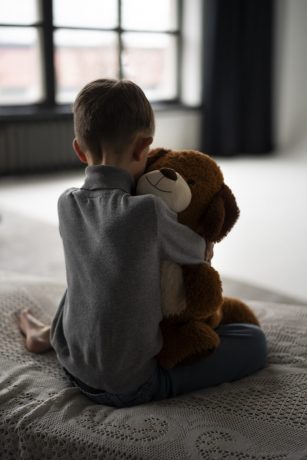
Grief should be openly acknowledged and spoken about. Sometimes teachers, friends, or family are afraid of upsetting a young person, when in fact they are already heartbroken. By normalising conversations about grief, children and young people are given the space to express their feelings.
Children and young people may experience a wide range of emotions when someone has died, including:
Sadness
Disappointment
Fear
Regret
Anger
Loneliness
Guilt
Feeling overwhelmed
Anxiety
Feeling invisible or unheard
Common worries include:
Worry: “Who will look after me?”
Fear: “Am I to blame?”
It’s important for teachers, parents, and friends to notice any changes in a young person’s personality. A previously chatty child may suddenly become quiet or withdrawn. Taking the time to ask how they are and truly listening to their feelings—even if they want to be left alone—lets them know that support is available and can be enormously comforting.
Teachers should quietly acknowledge a child’s bereavement when they return to school, speaking with them individually to let them know they are there for support.
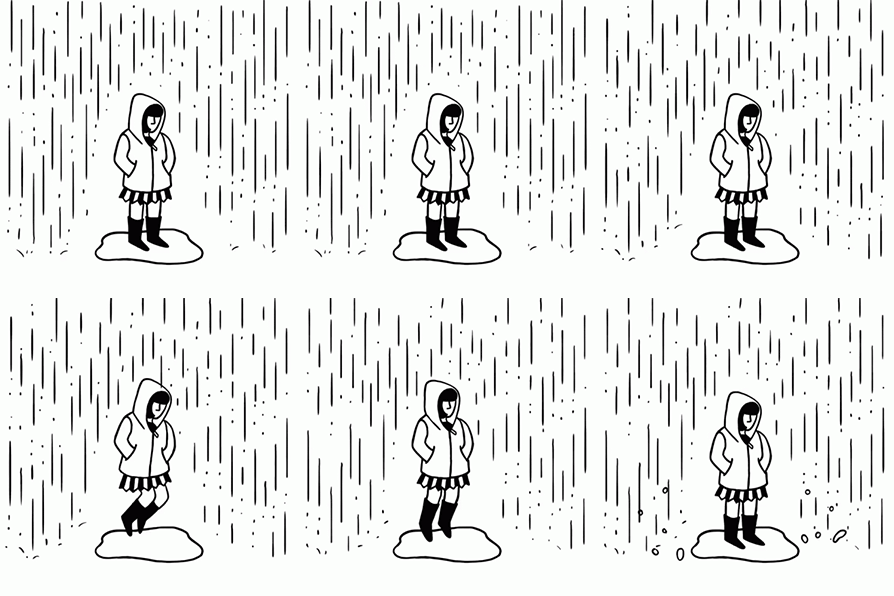
A concept known as “puddle jumping” is common in grieving children: they may move back and forth between sadness and play. This is a normal and healthy way for children to cope with strong emotions.
United Learning Trust
United Learning are a group of schools which aims to provide excellent education to children and young people across the country. They seek to improve the life chances of all the children and young people and bring out ‘the best in everyone’ – pupils, staff, parents and the wider community. The group includes significant numbers of schools in both the public and the private sectors, working together for mutual benefit.
They provide a broad education, which prepares children and young people to progress in learning and to make a success of their lives, focusing on the evidence of what makes it more likely that children and young people will progress and succeed, applying that to practice and continuing to learn and develop schools.
Interview: Frazer Smith
Safeguarding Lead for the UK’s largest Multi Academy Trust
Frazer Smith
Safeguarding Lead – United Learning Trust
I am a qualified teacher who taught in the primary sector. I then spent 19 years working for a local authority in children’s services. Initially this was in education welfare, focused around attendance and the for the last 16 years in the child protection unit. During this period I had several different roles which included: Education liaison, Allegations Management (LADO) and team management. I have been working at United Learning for over 5 years across all sectors of the organisation and currently hold the role of Head of Safeguarding.
1. How do you identify young students who may need specialist bereavement support, such as the services Oakleaf provides?
Schools have pastoral/support workers and/or teams and will meet regularly to look at how children they or other staff members have identified can be supported. Sometimes children/families will self-identify, sometimes staff will notice changes in behaviour.
2. In the event of a highly publicised loss, such as the tragic death of Diogo Jota, how should schools approach supporting students and staff, and what policies are in place?
Schools will always consider how they can best support the community, they will monitor children and remind families of the various lines of support, both internally and externally.
3. When a bereavement occurs within a school community, how are staff supported in managing their own wellbeing while supporting students?
As part of any whole school approach, the welfare of staff will part of that approach, we have access to support via Westfield and will also ensure staff are aware of other support (e.g. Education Support).
4. Staff can sometimes feel anxious about how to approach sensitive aspects of bereavement—for example, a student who has lost a parent with Mother’s Day approaching. How do you ensure that staff are well-equipped to manage these situations?
Communication is key, ensure (as appropriate) that staff are aware and have the relevant context for a child/family, ensuring whatever approach is taken is discussed with the child/family.
5. If a student feels that staff are unaware of their bereavement, this can cause anxiety, withdrawal, and reluctance to attend school. What is your policy for informing staff about a student’s bereavement?
As with the previous question, it would be on a need to know basis and in partnership with the wishes of the child/family.
6. How do staff and safeguarding teams approach supporting a neurodivergent student who may struggle to express their feelings during bereavement? Has there been specific training for this?
There is continuous CPD for staff where schools will consider such areas and access local/national training. This is where the pastoral offer from the school is important in working with the family around what information is shared with key staff and the reasonable adjustments that can be made to support the child.
7. All schools should have a bereavement policy—how do you ensure that staff are aware of it and know how to implement it effectively?
Training and regular updates. Ensuring staff are aware of how children can be supported in school.
8. How are schools coping with huge increases in autism spectrum disorders.
Increasing knowledge and awareness for all staff is one aspect, as well as providing specific training to key staff and working closely with colleagues in other agencies. Identifying those reasonable adjustments that can be made in school to support children.
9. What pressures are schools facing and how does that impact staff
There are a variety of pressures and whilst some of these will be present in all schools, there are also specific challenges for individual schools/communities. It is important that the school knows the community well, so they can identify the best way to support and then how we support our staff with initiative such as the Westfield support and quality CPD.
10. How can sport, dance regulate kids
I think sport/dance is a massive opportunity to support children’s physical and mental health/emotional wellbeing. It can be built into a whole school approach to support regulation as well as an individual programme.
We would like to say a special thank you to Cynthia at Café Desa, our first Local Hero who has sponsored Lillington Primary School in Lemington Spa. Café Desa has paid for YogaBugs Virtual to be delivered into their school for 3 years to support the mental health and wellbeing of their children, staff and parents.
Cafe Desa has a delicious recipe for you to enjoy, which costs just £4 to feed a family of 4 and is full of goodness for you and your children.
Raising Money for Mind with our 'Draw your feelings competition'
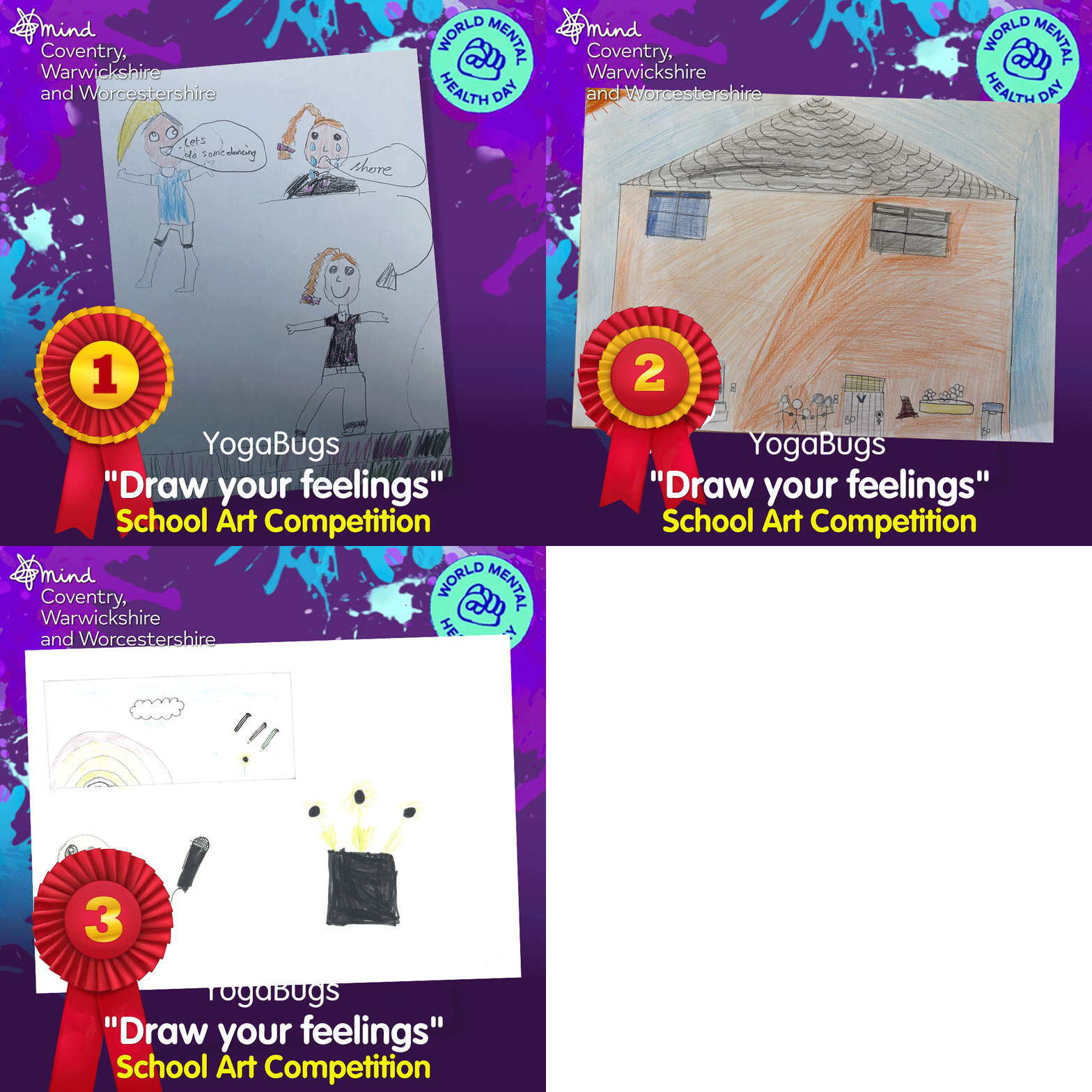
The competition titled “Draw Your Feelings”, spearheaded by YogaBugs and articulated through their partnership with CWW Mind, provided primary-aged children across the UK an opportunity to explore and express their emotions and mental well-being through art. Schools were given a free lesson plan — “Notice–Name–Draw–Share” — enabling pupils to identify, manage and talk about their feelings, and then create an art submission that captured their inner world.
What stands out is the way the programme combined creative expression with emotional literacy: rather than a traditional exam or worksheet, children used drawing as a vehicle for understanding and sharing how they felt.
With the competition now completed, the impact extends beyond the winning entries. By linking the art competition to the work of CWW Mind, every school’s participation signalled support for the charity’s efforts in promoting young people’s mental health, helping to raise both awareness and practical funding. Meanwhile YogaBugs’ free lesson plan offered schools a tangible, ready-to-use resource in PSHE (personal, social, health and economic education), demonstrating how a creative initiative can slot into the curriculum and leave a legacy of enhanced emotional language among pupils.
1st place is St Anne’s Reading with friends image: We like this drawing because it shows how friends can support each other during difficult times. We love how one friend is sad and the other cheers them up by dancing, it’s a lovely reminder of how friendship and shared joy can lift your mood and make you feel better.
2nd place is Lillington Primary – The house We like this drawing because it’s colourful and represents happiness, comfort, and togetherness. The inclusion of family and friends shows how loved ones and a safe home can positively support your mental wellbeing.
Third place- Music/ Meadow School – We like this drawing because it’s full of colour and shows how music can lift your mood and support your mental health. It highlights how creative hobbies like music, and even sports. Can be therapeutic and bring happiness in different ways.
YogaBugs Christmas Videos
It's almost that time of year again...
Christmas is on it’s way! and it can get pretty hectic this time of year, so why not make use of some of our festive yoga sessions we’ve created in the past?
Perfect for a bit of calm before the storm and if you’ve forgotten to put the pigs in blankets in the oven, take a deep breath and stretch instead!
Local Heroes: Support Our Schools
We're happy to announce since it's launch in September 2025, the following companies have become 'Local Heroes' providing YogaBugs Virtual to a school of their choice.
YogaBugs is on a powerful mission: to bring yoga, mindfulness, and emotional wellbeing to 1 million primary school children.
We believe every child deserves the tools to understand their feelings, manage stress, and build confidence from an early age. By nurturing calm, resilience, and self-awareness now, we can help reduce the rise of self-harm and teenage suicide later in life—creating happier, healthier futures for the next generation.
We are very aware of school budget cuts, so we are fighting for schools and contacting businesses with Corporate Social Responsibility and those who really care about their community and are funding YogaBugs into their chosen schools.
If you would love to have YogaBugs at your school, but just don’t have the budget, we can help!
Register your school’s interest today!
Currently kindly sponsoring…
Leamington Spa
Currently kindly sponsoring…
Solihull
Currently kindly sponsoring…
Warwickshire
Currently kindly sponsoring…
Redditch
Register your school interest:
Help Lines
SHOUT – Text MRF to 85258 Confidential crisis text line for anyone, any age – Free 24/7
Papyrus HOPELINE247 – 0800 068 4141 pat@papyrus-uk.org Confidential helpline for people under 35 or anyone concerned about a young person – Free 24/7
NSPCC Childline – 0800 1111 Confidential support for young people under 19 – Free 24/7