Children’s mental health and emotional wellbeing have never been more important. As young people navigate school, friendships, and the challenges of growing up, the support they receive early on can shape their confidence, resilience, and happiness for years to come. That’s why community partnerships that prioritise children’s wellbeing can have such a powerful and lasting impact.

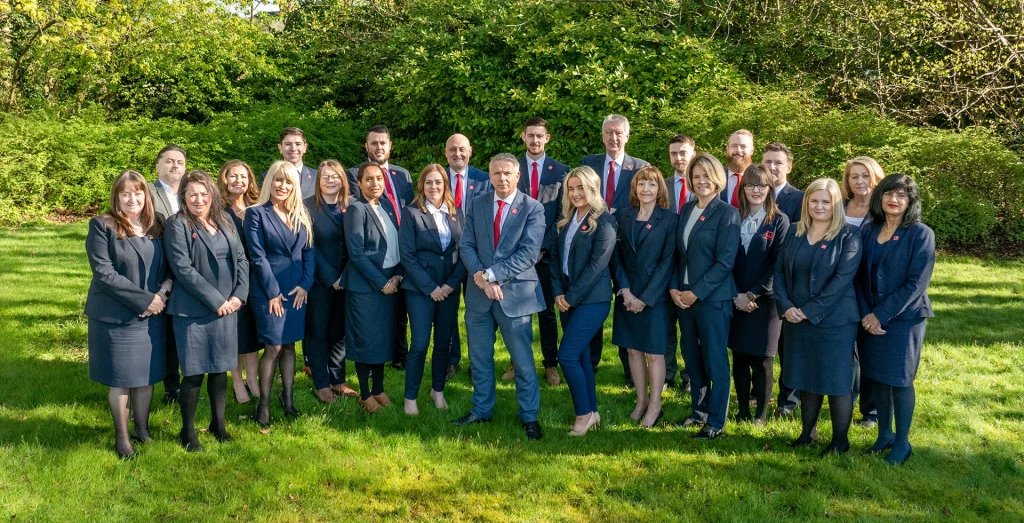
One inspiring example of this is the collaboration between Smart Homes and YogaBugs. Through their sponsorship, Smart Homes is helping bring engaging yoga and mindfulness sessions into schools, supporting pupils’ mental and emotional development in a practical, accessible way. This initiative reflects a shared belief: when children feel calm, confident, and supported, they are better able to learn, grow, and thrive.
For Smart Homes, the partnership is about more than sponsorship. It’s a commitment to investing in the future of the community. By supporting programmes that nurture emotional health and self-worth, they hope to play a small but meaningful role in helping today’s children grow into healthy, confident adults.
The impact of this support is already being felt in schools such as Valley Primary School. Thanks to the sponsorship, pupils and staff now have access to YogaBugs Virtual, an online wellbeing platform designed specifically for primary-aged children. Teachers have seen how these calming, story-led sessions help pupils manage their emotions, build resilience, and develop positive habits that extend beyond the classroom. The programme also contributes to creating a calmer, happier learning environment where every child feels supported.
YogaBugs takes a creative approach to wellbeing. Its yoga and mindfulness sessions are delivered through imaginative storytelling, making them engaging and accessible for young learners. Alongside the sessions, the platform offers resources and training for school staff and parents, as well as access for families to use at home. This whole-community approach helps reinforce positive emotional skills both in school and beyond.
The benefits of regular mindfulness and movement for children are wide-ranging. Schools report improvements in confidence, emotional regulation, and focus, alongside reductions in anxiety. For children with additional needs, the sessions can provide valuable structure and calming strategies that support both learning and wellbeing. Perhaps most importantly, the programme helps children feel happier, more relaxed, and ready to engage with their day.
Initiatives like this show the difference that local businesses can make when they choose to invest in children’s wellbeing. By working together, organisations, schools, and communities can create supportive environments where young people feel safe, confident, and empowered.
Because sometimes, the most meaningful impact comes from helping a child feel calm, capable, and ready to smile.